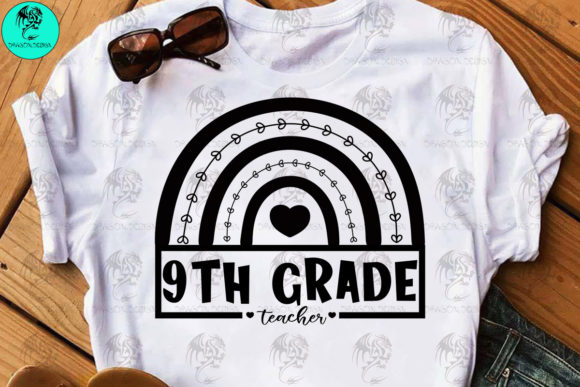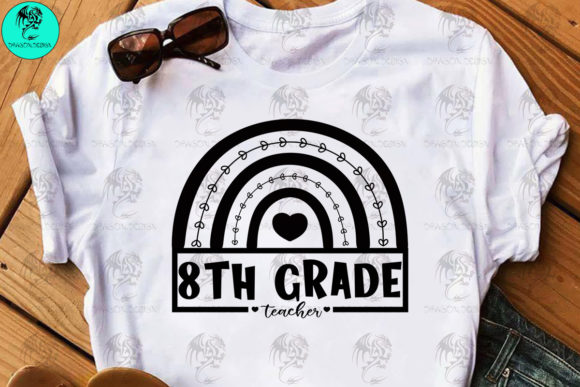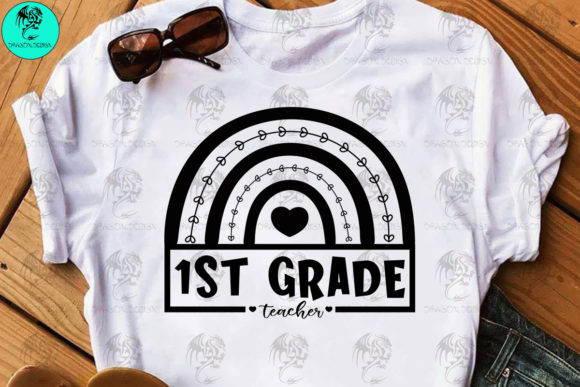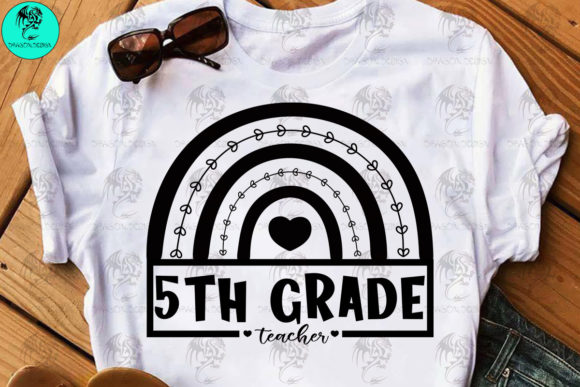
Third Grade Teacher
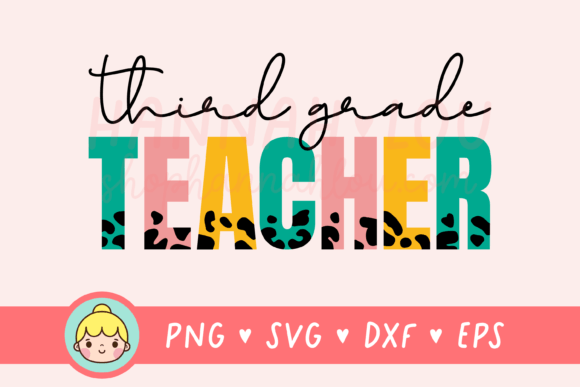
As a designer who’s worked with countless embroidery files, I always start by evaluating the mood and visual personality of a design before considering its practical use. The Third Grade Teacher design immediately caught my attention with its bold leopard print aesthetic. It feels modern, playful, and slightly edgy—perfect for a design that needs to stand out on custom apparel or accessories.
The First Impression
The layout is clean and well-structured, making it easy to visualize how it would translate to different fabric types. The shape is versatile enough to work on both large and small items, but it’s clearly meant for projects that can showcase its full detail. The theme leans into a professional yet fun vibe, which makes it ideal for educators, school-themed gifts, or even as a statement piece for personal wear.
From a technical standpoint, the level of detail is solid. The leopard print pattern is intricate enough to be eye-catching but not overly complex. This means it should stitch out cleanly without too much difficulty, especially if the file is optimized for machine embroidery.
Real-Life Embroidery Scenarios
I’ve used similar designs on tote bags, sweatshirts, and baby onesies, and the Third Grade Teacher design would fit well in those spaces. For example, a custom tote bag with this design could make a great gift for a teacher or a classroom fundraiser. The leopard print adds a touch of sophistication while keeping the design approachable.
On a sweatshirt, the design would look sharp and modern, especially if paired with a neutral base color. It could also work well as an embroidered patch for a jacket or backpack, giving it a more subtle, wearable presence. For baby items, like onesies or blankets, the design might need some adjustment depending on the fabric type, but it still has potential as a personalized gift.
One thing to consider is how the design interacts with different fabrics. On thin or stretchy materials, the leopard print might appear less defined, so using the right stabilizer is crucial. For dark fabrics, the contrast between the print and background will matter a lot—especially if the design uses light-colored threads.
Where to Use With Caution
While the Third Grade Teacher design is generally versatile, there are a few situations where it might not perform as well. Small hoop sizes could limit how much of the design you can stitch at once, especially if the file is larger than standard. Textured or stretchy fabrics may require extra stabilization to prevent puckering or distortion.
Dense areas of the design, like the leopard print spots, might need careful stitch density settings to avoid looking too heavy or flat. Tiny details, such as the edges of the print or any lettering, should be tested on scrap fabric before committing to a final project.
If you're planning to use this on curved surfaces like caps or hats, make sure the design is compatible with those shapes. Some designs don’t translate well to rounded areas, and the Third Grade Teacher might need some adjustments for that kind of application.
Impact on Visual Appeal and Customer Perception
A well-executed embroidery project can elevate a handmade product from ordinary to exceptional. The Third Grade Teacher design has the potential to do just that, especially when used on high-quality fabrics and properly stabilized. Its visual appeal is strong, and the design’s uniqueness can help your products stand out in a crowded market.
For small business owners and Etsy sellers, this design could add value to a product line by offering something fresh and relevant. Customers often appreciate designs that feel personal and meaningful, and the Third Grade Teacher design has that quality. It could also be a great addition to a holiday or back-to-school collection.
When it comes to customer trust, a clean, well-stitched design builds confidence in the quality of your work. The Third Grade Teacher design, if executed properly, can contribute to that sense of professionalism and reliability that customers look for in handmade or custom items.
Practical Designer Notes
Before jumping into a project, I always recommend testing the design on scrap fabric. This helps identify any issues with stitch density, thread color contrast, or stabilizer use. If the design uses multiple colors, make sure the thread choices complement each other and the fabric background.
Check the hoop size required for the design. If it’s larger than your machine can handle, you may need to split it or adjust the layout. Also, review the file for any tiny details that might get lost during stitching. A black and white mockup can help you see how the design will look on different fabric colors.
For commercial use, confirm the licensing terms before selling finished products or digital files. Even if the design is available for download, you want to ensure you have the rights to use it in your business. And remember, proper stabilizer use is key for achieving a clean, professional finish on all types of fabric.
Conclusion: A Design Worth Considering
The Third Grade Teacher design is a strong contender for anyone looking to add a stylish, customizable element to their embroidery projects. Whether you’re creating custom apparel, personalized gifts, or small shop merchandise, this design has the potential to enhance your offerings.
With the right approach, it can become a valuable asset in your craft business. Just remember to test it thoroughly, pay attention to fabric and stitch details, and make sure it aligns with your brand’s aesthetic and goals.